6 Lessons in 6 Years • ep. 158
6 Lesson from 6 Years • ep. 158
look how far we've come
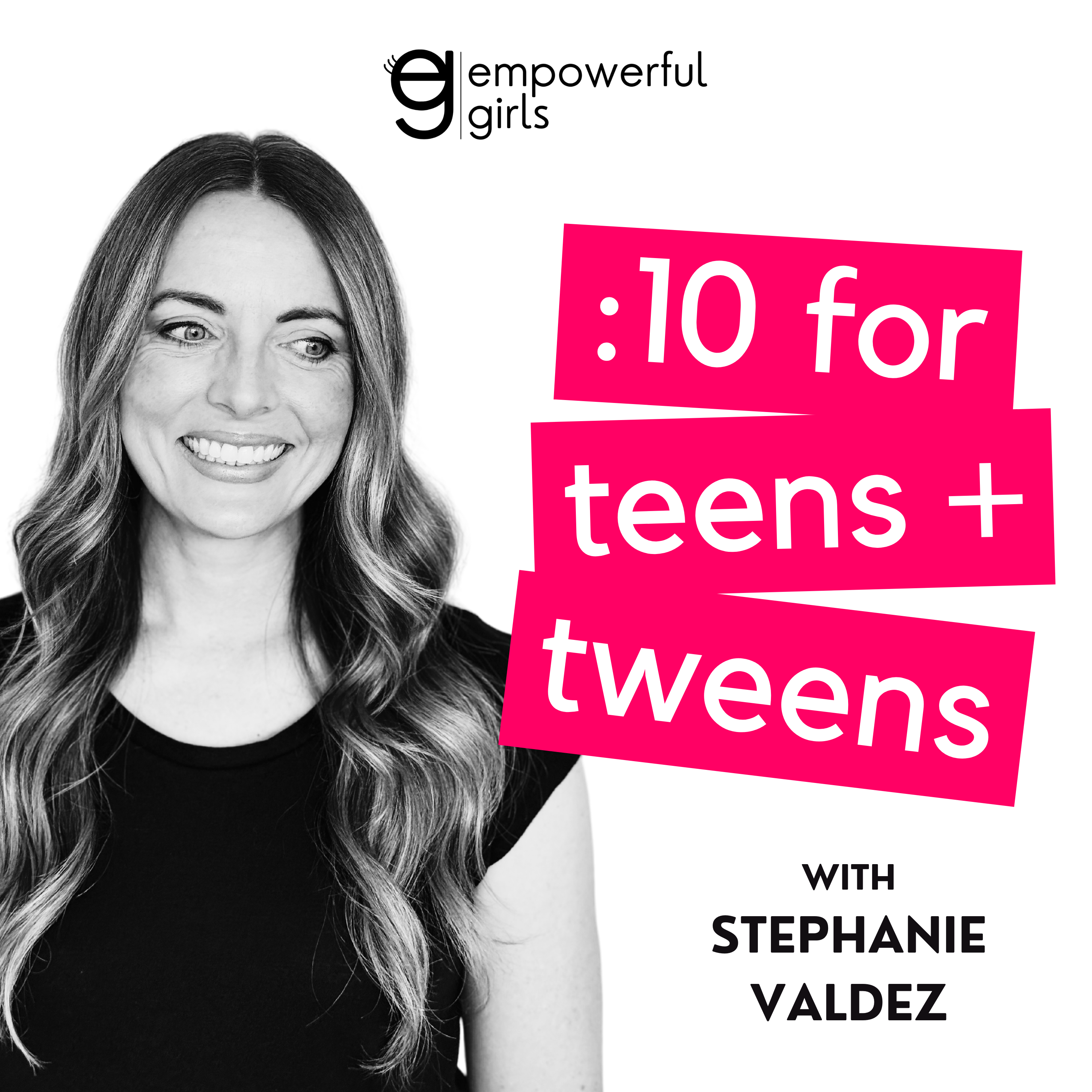
Wow! 6 years and counting! This podcast has grown and evolved so much during that time. Listeners are tuning in from 212 countries, and 55% of them are outside of the United States. So far there are 158 episodes, the very first one “You Are Enough” now has 150,000 downloads. In total the podcast has more than 1.6 million downloads. Which is amazing to me. That number isn’t about followers or popularity, it’s that 1,617,000 times a girl has heard a message that lifts her up, makes her feel seen, boosts her confidence, and helps her start believing she is enough. This podcast is possible because of you–thank you for listening, sharing, commenting, reviewing, and supporting 10 for Teens and Tweens. We’ve created something incredible together.
So over the past 6 years, I’ve learned a lot doing this, and I want to share 6 lessons that you can apply to your own pursuits.
just get started
Lesson 1. If you think back to where we were 6 years ago, life was kind of a bummer in the beginning of the pandemic. I saw how it was impacting my kids, their friends, youth across the country and the world, and I felt compelled to help them in some way.
That summer I decided to start workshops for girls, in-person but socially distanced, so they could interact with each other, talk about friendships and social skills and goals. And after the workshops started, I quickly realized I wanted these messages to reach more girls.
I had heard of podcasts, they were starting to get more popular. Although I have a background in broadcast journalism, I didn’t know how to podcast, this was a newer form of media. I went back and forth on the idea. Ultimately my desire to empower girls and my courage to try something new was greater than my self-doubt and fear, so I just got started. I didn’t have to wait to try, I didn’t need anyone’s permission, I didn’t have to be an expert already; I would learn how to podcast by doing it. And so that’s what I did.
If you’ve been thinking about trying a new activity, learning a different sport, or just doing something else–just get started. You don’t have to have it all figured out, or map out a five-year plan. Just get started before you talk yourself out of trying. Just get started before you decide you’re not going to be good at it anyway. What’s that saying by Suzy Kassem, “Doubt kills more dreams than failure ever will.” Just get started and then see where it goes.
find a mentor
Lesson 2. As I said, I didn’t know how to podcast. So I found someone who did–two women actually: Rachel Nielson from the podcast 3 in 30, and Monica Packer from the podcast About Progress. They were hosting an online course on how to start a podcast, so signed up and jumped right in.
I learned what equipment I needed, how to hone in on the overall podcast message, how to structure an episode, and how to launch a podcast. They were incredibly helpful and supportive, as were all the students in the coaching group. We didn’t feel like we were competing with each other; we knew we each had a unique message and audience we were trying to reach.
I’m grateful I found mentors who could cheer me on, and I encourage you to find one (or more) too. Whether it’s a coach, a teacher, an aunt, even your parent, find a mentor who has some experience and can help you get started so you can build your own experience. Reach out potential mentors, ask them questions, take notes, and apply their guidance. Mentors aren’t there to do the work for you though, that’s not how growth happens; they’re to help you learn so you can do the work yourself. It’s important to find a mentor that’s a good fit and who’s looking out for you. They’re out there, go find one.
Consistency
Lesson 3. I talked about this in episode 080 but I’ll say it again–consistency is key. I’ll admit, the podcast episodes haven’t been released on a regular schedule. That’s because I also juggle another job and my kids and such. But–I have been consistent, I kept at it even when life got bananas. I continued writing, recording, editing, and posting. Because of consistency, I got better at the process too. And I hope to be able to increase my consistency, because repetitions help you get better.
For you, whatever you’re involved in, keep up your consistency. Put in the reps. Show up to practice or rehearsal, or make your own schedule for working on your activity. Consistency matters more than perfection–that’s how you make progress. Also don’t give up after one try, don’t quit on a bad day. See how you improve and feel after being consistent for a bit. And look, if you decide it’s not for you, that’s okay. But at least you’ll have consistency to reflect on to make that decision.
practice self-compassion
Lesson 4. As I mentioned, I haven’t been perfect posting episodes on a schedule. I’ve made plenty of mistakes over the past 6 years. I’ve never recorded an episode perfectly–I’ve tripped over my words, had to rerecord, didn’t have the right mic settings, mispronounced a guest’s name, made errors on my website. And I wear all of the hats, I do all of the jobs, I don’t have a production crew, maybe someday. But my point is, I’m not perfect at this, and I’m okay with that. Others might not be, but that’s their view and I choose to practice self-compassion.
You’re probably not going to be perfect at what you do. You’re gonna mess up, you’re gonna misstep, you’re gonna try and flop–and that’s okay. You’re human, you’re not a robot. You’re allowed to make mistakes, try to roll with them and learn from them. Even the GOATs–Simone Biles, Amber Glenn, Ilona Maher, Katie Ledecky–they’ve competed at an Olympic level on the biggest stages for athletes, and sometimes they didn’t get perfect scores or win or even medal. And if they listened to their negative self-talk, if they judged or criticized themselves into giving up, they wouldn’t have reached the level they’re at.
You might not compete in the Olympics, but you can still practice self-compassion in whatever you do. Allow yourself to be human. Give yourself grace. Treat yourself like you would a good friend. Try again and again. And continue practicing self-compassion.
learn when to say No and Yes
Lesson 5. I used to say yes to anything asked of me. I was a people pleaser, I felt obligated to. But I often got roped into commitments that I didn’t have the time or capacity or frankly want to do. With the podcast, I started receiving pitch emails suggesting guests for the show or a product partnership, but not all of them aligned with me or the podcast or its purpose. Some of them were completely unrelated, they clearly didn’t read the title, it wasn’t a topic for teen and tween girls. Frankly I get so many of those, since they didn’t bother to see what this podcast is about, I just ignore them. But some pitches sounded really neat and I was sad to turn them down, but we just weren’t aligned. And then there were some that were a great fit, and I was excited to say yes to them. And their episodes turned out fantastic.
You have to learn when to say No and when to say Yes to things. That’s going to take trial and error. You might say Yes to something and later learn it’s a No from now on. There’s no formula that I can give you, though. You have to weigh your own pros and cons, your availability and capacity to be involved. You have to get used to missing out at times, and the FOMO that might follow, but the tradeoff could be an even better opportunity. So it’s okay to say No, especially when you know what you will say Yes to.
stay audacious
Lesson 6. The first time I invited a guest on the podcast, I was so nervous. It was my first time, not only with the technology but also pitching to and interviewing a guest. But I had to just get started, right? So I did. I sent the email. I set up the interview. I In fact I told the guest it was my first time, it was Nate Webb, the episodes about bullies 018 and 019. And he was so cool about it. So after that great experience, I kept shooting my shot. I’ve sent pitch emails to some high profile people, and sometimes their team doesn’t respond, which is fine. At least I tried, right? But other times they do respond–and agree. One of the guests was Sharon McMahon @sharonsasysso. I later met her at her book tour event, and when she signed my copy, she wrote, “Stay audacious.” And that has stuck with me.
Audacious means to be bold, daring, and fearless. You gals have so much talent and potential. And society may keep telling you to play small or get in the box like episode 099. I hope you’ll take Sharon’s advice and stay audacious. Take smart risks. Make big goals and crush them. Shoot your shot over and over, you’ll probably miss some of them but others will go in. Don’t listen to those who say your dreams are too silly or unrealistic or not important. You have gifts and passion and purpose that this world desperately needs. So again, as Sharon said, stay audacious.
Here’s to the last 6 years and many more podcast episodes to come. Thank you for being here for it.
Resources
If you have a topic suggestion, I’d love to hear from you! Send an email (tweens get the OK from your parents) to [email protected] .
If you have social media already, follow me on Insta, TikTok, or YouTube @empowerfulgirls. I’m not encouraging or endorsing social media, but I’m on there to offer an unfiltered, uplifting alternative to what’s in your feed. Remember to get on the email list for the newsletter!
Also, if you enjoy listening to 10 for Teens + Tweens, I would truly appreciate you telling your friends about this podcast or leaving a review so others can find it and feel uplifted, too! Your support means the world to me!